
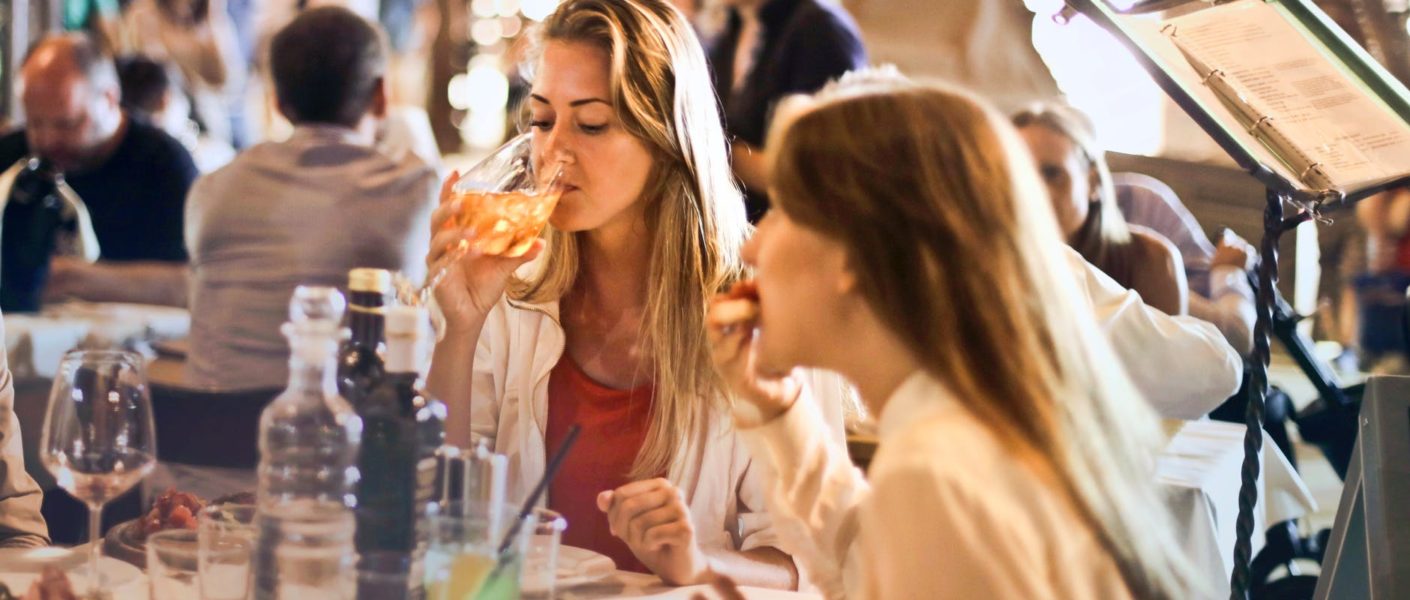
I was recently catching up with my dear friend who is in remission from Ulcerative Colitis, and while we were bonding over our chronic illnesses, she asked if I had written anything about canceling. “I’ve touched on it,” I told her, but I had not really gotten into the dark corners of this horribly difficult and upsetting topic. “You should,” she encouraged with knowing eyes.
Making plans and canceling them. Over and over and over again. Until you either stop making plans altogether to avoid the embarrassment and shame of bowing out, or your friends stop making plans with you because they assume you’re too flaky and inconsiderate to keep them.

If I could pick out one of the hardest things during my sickest days, it was the isolation. Isolation by my own doing. I remember a few events in particular I had been pretty excited to go to. One was a surprise birthday tea party at a fancy hotel for one of my oldest friends. I had every intention of going, but woke up that morning feeling so ill I knew I would not be able to make it. I was so disappointed in myself for missing that birthday. Another friend once organized a dinner party, even going so far as to cook some things that were safe for me to eat what with my dietary restrictions. But because of my quick shifting symptoms, and let’s face it, deep depression, I could not get it together to go. My soul-crushing fatigue, paired with my deep despair, became an entity of its own. It would not allow me to move. If I’m very honest, a wave of relief washed over as I canceled because I knew I wouldn’t have to force myself through a night of pain and exhaustion and forced conversation when I had nothing good to report. What would we talk about? The fact that I was unemployed, sick, and barely functioning? At the same time, I was ashamed and embarrassed that I had cancelled. The shame rippled through my veins. Several people from the tea party debacle would be at this dinner party too.
And I was canceling. Again. Last minute. Again. Maybe they would talk about me.
This pattern ramped up once I started treatment, but it was a pattern that had been growing and evident for years. I often didn’t sleep well, which would affect my whole next day. I sometimes had strange pain and stabbing sensations rushing through my whole body that often came out of nowhere. But I was still mostly functioning, so I kept making plans–because why wouldn’t I keep them? I was living out of state with no family in Chicago. My friends were my family. And I loved them deeply. But I didn’t realize I was growing a reputation of being …. well, a jerk.
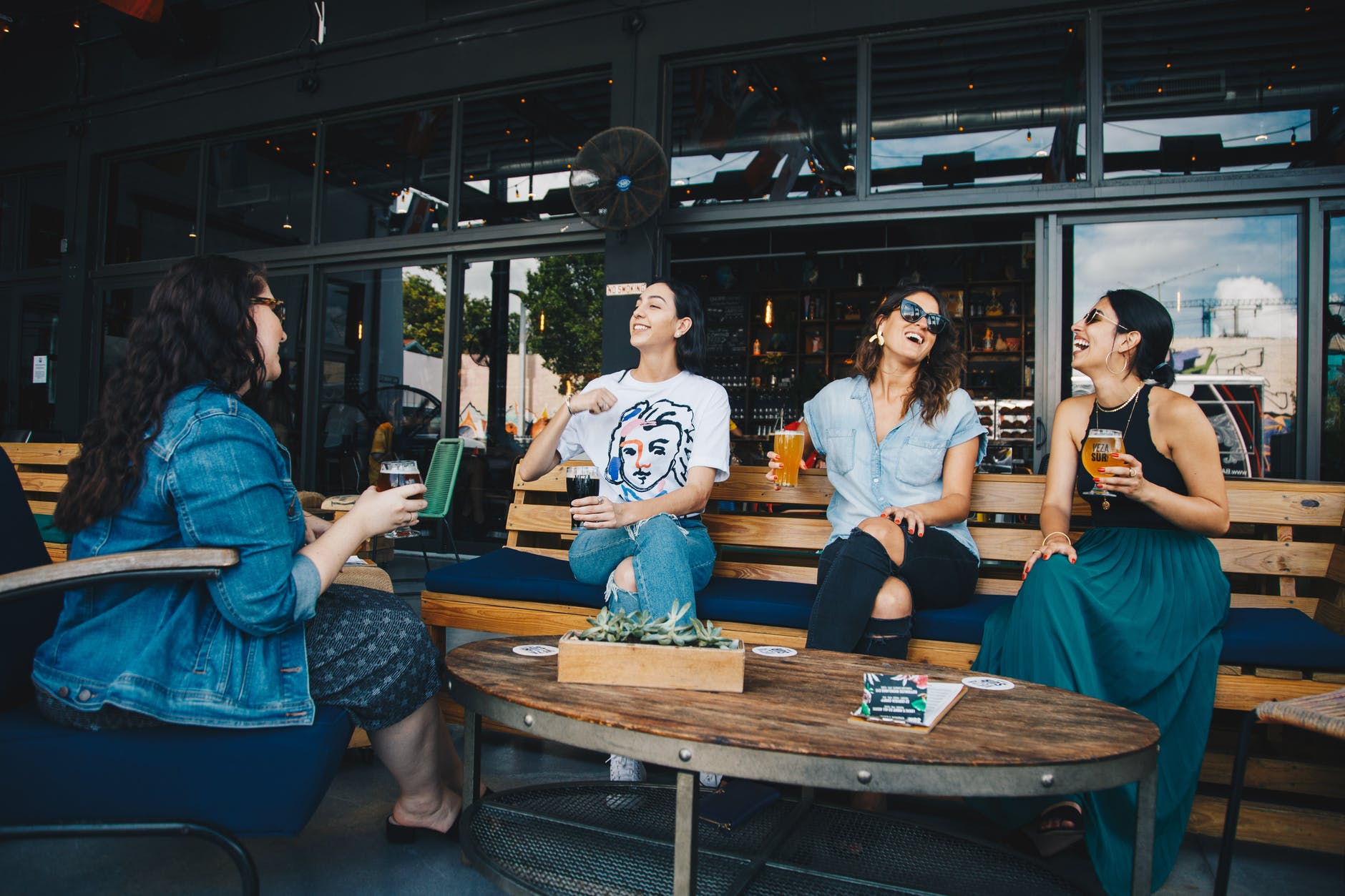
Much of it was misunderstood. Many people didn’t realize I felt ill because I wasn’t always open about how I was feeling, and even when I did tell people I didn’t feel well, I never really went into the extent of it. A few years later, when I was diagnosed with Fibromyalgia, all of a sudden there was more of an understanding that I was dealing with extreme pain and exhaustion. But no one could grasp how I was able to train for some high endurance athletic events some days and then other days be on the floor. I would overdo it on my good days and then pay for it dearly. I felt myself needing to over-explain and over-apologize. I remember missing an old school mate’s birthday celebration at her apartment one night. I sent several texts apologizing and letting her know how much I wished I could have made it. She didn’t respond.
It all made me feel awful. I started developing a trauma and PTSD around setting plans. I started to worry the moment I made plans if I’d be able to keep them. I started subconsciously using language like ‘That will probably be good,” “Let’s try for it!”, “I think that will work,” not realizing that language made people feel like I wasn’t committing to hanging out with them. I was, I honestly was. But I must have also subconsciously been making room for the letdown in case I couldn’t.
Then came the great fall.
About two weeks after my Lyme diagnosis in October, my long-term boyfriend and I decided to call it quits. The cracks in our already dysfunctional relationship came out in full force under the stress of chronic illness. So I would go at it alone. And I was completely unprepared for how much my life would change after starting intense treatment. I. Fell. Apart. Grandly. While I had improved a great deal taking low dose antibiotics at the very beginning of treatment, getting well enough by the end of summer to compete in the Sprint Triathlon I thought I’d need to withdraw from, I completely unraveled on a much more aggressive regimen. My knees gave out and migrating pain was stabbing me all around my body. The fatigue was soul-crushing and I wasn’t sleeping at all. My cognition was imploding. I was so ill, the only thing I could manage was getting to work, and then once I came home, I never left my apartment. I had gone from speaking every day to my then boyfriend to speaking to no one. The everyday loneliness was overwhelming and I was experiencing the worst Herxheimer reactions I’ve ever had. I lost my job by December due to my cognitive dysfunction, and was so sick I went back to Michigan for several weeks so my family could care for me and take me out of my self-imposed isolation. I have never been so ill and humbled, laying on my sister’s couch, my family all around me trying to revive my body and spirit.
I eventually made it back to Chicago, as I had decided to keep my commitment to perform in a show I’d booked several months earlier. I had no idea if I would be able to function or memorize my lines, but I thought I would at least try. Unemployed, my strategy was to lay in bed all day in order to try to gather the strength and energy I would need to make it through a rehearsal at night. I was managing most days, difficult as it was, but there were some days I was barely managing at all. And it was on one of those barely-managing days, one January afternoon, when I had plans to see a friend after rehearsal. I’d felt fine in the morning and had confirmed plans. But I soon began to feel so ill. I never knew when I was going to experience a Herxheimer, or “herx” reaction while I was on aggressive antibiotics. I never knew when I was going to fall apart. I would be okay one hour, awful the next. Okay for twenty minutes, then dying for six hours. And on this particular day, I canceled. And apologized.
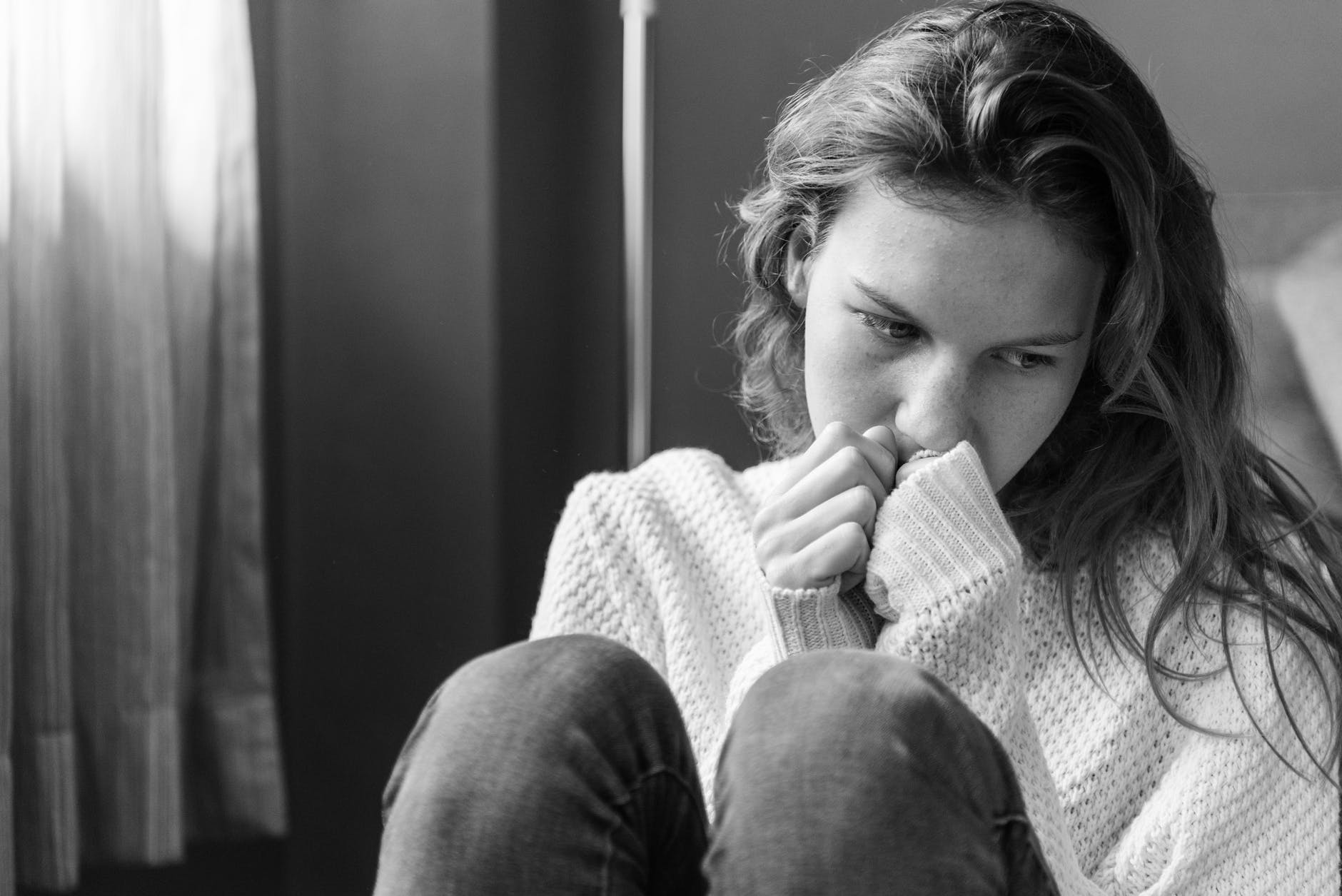
And when my friend seemed upset, I kept apologizing. I truly was sorry but I also knew I couldn’t do anything about it. She offered to hang out at my house with me, but I declined. Having a catch up was the last thing I could do at this point — I wouldn’t even be able to even have a conversation. All I wanted was to get into bed and cover myself and feel like death. But this cancellation was the icing on the cake of cancellations. She was so angry. So upset. Basically told me she needed time away from me so she could calm down. That she would reach out when she was ready.
And I was devastated. She was my oldest closest friend from childhood and we’d been best friends for so many years in Chicago. And I needed her. Desperately. While, to me, it felt like she’d walked away from me when I needed her the most, to her, it felt like I was pushing her away. She didn’t understand the depths of what I was going through because I’d never told her. We have since hashed it out, but I’m sure we’d both agree the event was tumultuous for our friendship and took a very long time to come back from.
Another close friend told me I had canceled on her one day right before we were supposed to meet up and that it seemed like I hadn’t been very sorry. I felt embarrassed and sad and shocked. I had never meant to make her feel that way. My canceling had become so normal to me that I was not connecting with how it was making others feel. But I didn’t know what else to do. My body was giving out on me and I. DID. NOT. KNOW. WHAT. TO. DO.
…Except to not make any plans at all.
So I stopped.

I had good days and bad days, but, on the whole, I didn’t do much. I isolated because it’s all I could do. It’s all I knew to do. I didn’t want anyone to see me like this, anyway. The girls I started spending time with also had Lyme and I’d met them in a Lyme support group, so they truly truly understood that sometimes we just couldn’t make it happen. We kept a text chain for all three of us, checking in nearly every day, multiple times a day– sharing our symptoms and our triumphs, our healing strategies and our sadnesses. Every ounce of energy was a victory and every setback was discussed and given weight. Those friendships became the most important friendships in the world to me. We understood what we were all going through, even though, to the outside world, my ways were misunderstood. “You don’t ‘get it,’ til you get it,” the chronic illness community often says. And it’s true. But I didn’t want my friends to get Lyme or get sick, I just wanted them to ‘get’ ME.
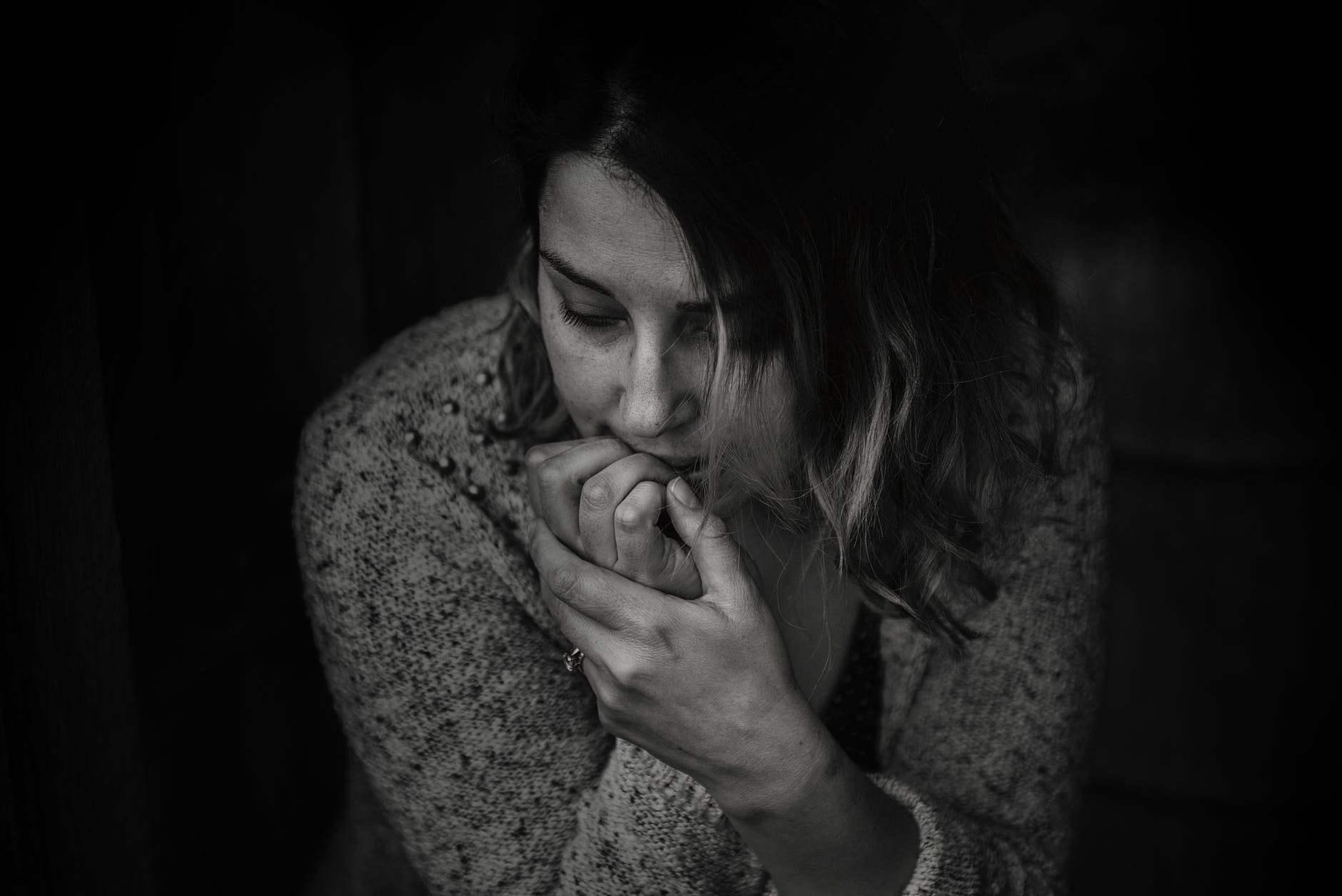
And by some grace, there were some who did. There were some friends who never swayed. There were some that came out of the woodwork and surprised me with their love. And when I could not commit, they understood and supported me. They made sure I knew it was okay if I ended up not feeling well. Our plans would be tentative and that was okay. My heart exploded for them. These friends, three and a half years later, still let me know it’s okay if I don’t feel well.
So, there it is. Canceling is the worst. And while it sucks for the person being canceled on, I guarantee you, it sucks so much worse for the chronically ill person doing the canceling. We do not want to cancel. We want more than anything to be with you, to be having fun, to be healthy and experiencing life with you. We do not want to disappoint you. We want you to love us and understand, but we also know sometimes that is asking for too much.
 Canceling won’t last forever. I promise. It helps if you have supportive friends who understand your limitations, but it will also help if you make sure you’re sharing your limitations with your friends. If they don’t know, they can’t help you. The ones who get it will get it. The ones who don’t, well, they won’t. You might lose some friends throughout this journey. But it does show you who your real friends are. They are the ones who stay. And they are the ones who come back around. I’m happy to say that I am making plans again. I have been for a long time. And I’m keeping MOST of them! I am still healing, but the good days far outnumber the bad days at this point. And the friends who are still here understand that sometimes it’s just not gonna happen. I still hate to let people down, but healing is my number one priority. I plan downtime, I don’t schedule too many meet-ups in a week, I give myself almost all of Saturday for self-care. I build in me-time and don’t over-do it.
There is always tomorrow.
So please….try not to feel the shame of canceling. Your body is fighting and you need to honor your healing. Know that while this day may be difficult, tomorrow is a new day, and you may feel so much better.
Keep going. It gets better.